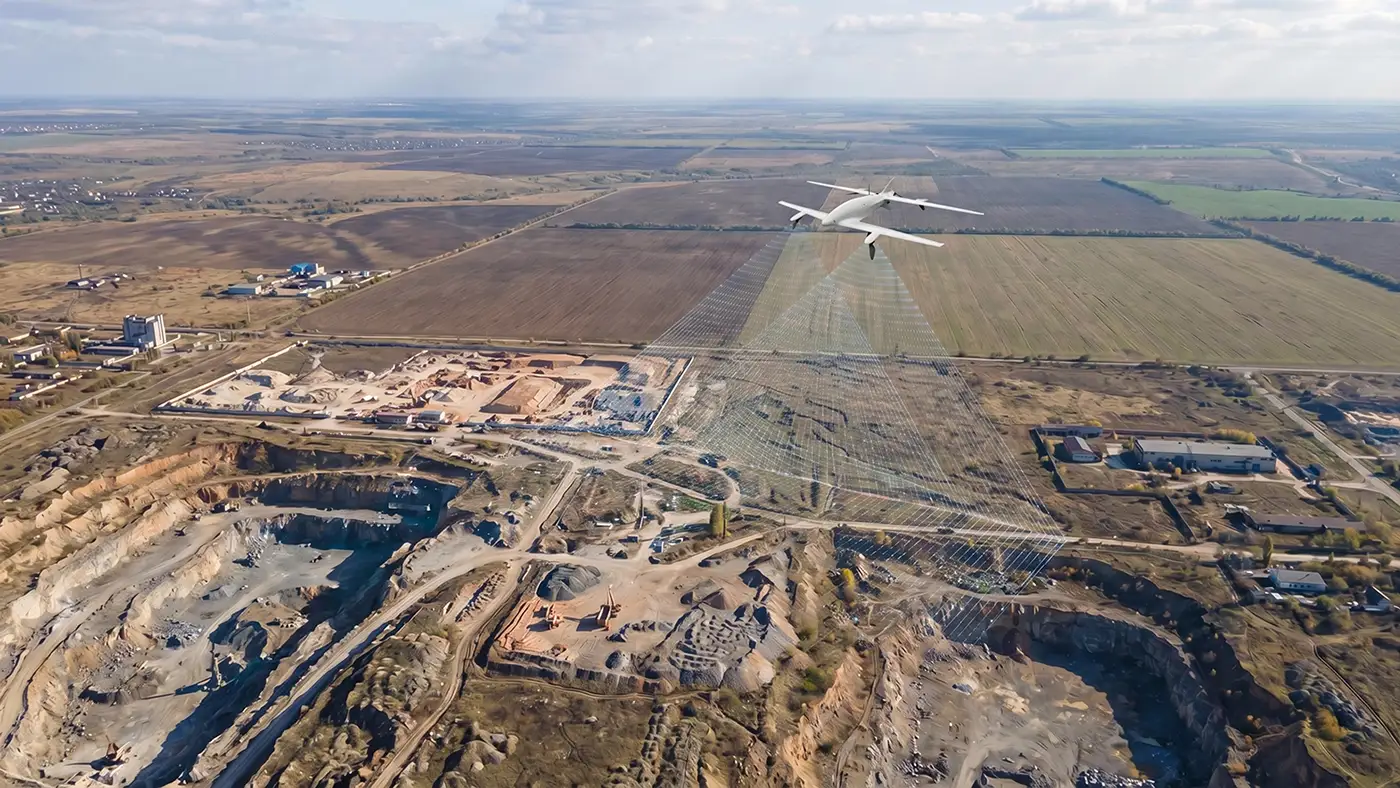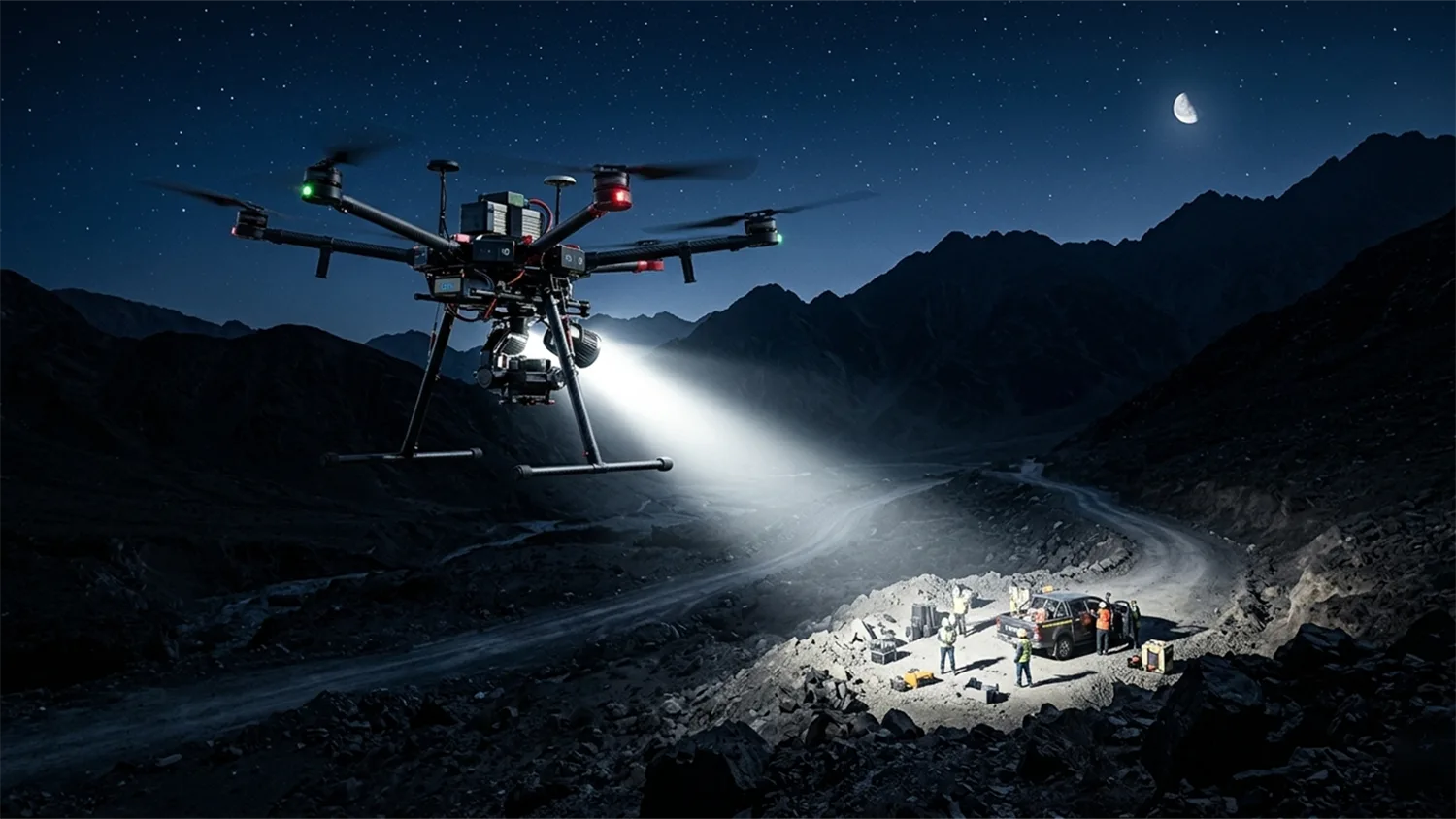
A UAV power system is a critical component that determines how long a drone can operate and how efficiently it performs during missions. Choosing the right UAV power system is essential for applications such as aerial inspection, surveillance, lighting, and industrial operations.
In this guide, we will explain what a UAV power system is and compare tethered vs battery drone power solutions to help you choose the best option.
What Is a UAV Power System?
A drone power solution refers to the method used to supply energy to a drone during flight. It directly affects flight time, payload capacity, and overall performance.
There are two main types of UAV power systems:
- Battery-powered systems
- Tethered power systems
Each system has its own advantages and is suitable for different applications.
Battery UAV Power Systems
Battery-based drone power solution are the most common solution for drones. They rely on onboard lithium batteries to supply energy.
Advantages:
- High mobility and flexibility
- Easy to deploy and operate
- Suitable for short missions
Limitations:
- Limited flight time (typically 20–60 minutes)
- Requires frequent battery replacement
- Not ideal for continuous operations
Battery-powered drones are widely used in mapping, photography, and short inspection tasks.
Tethered UAV Power Systems
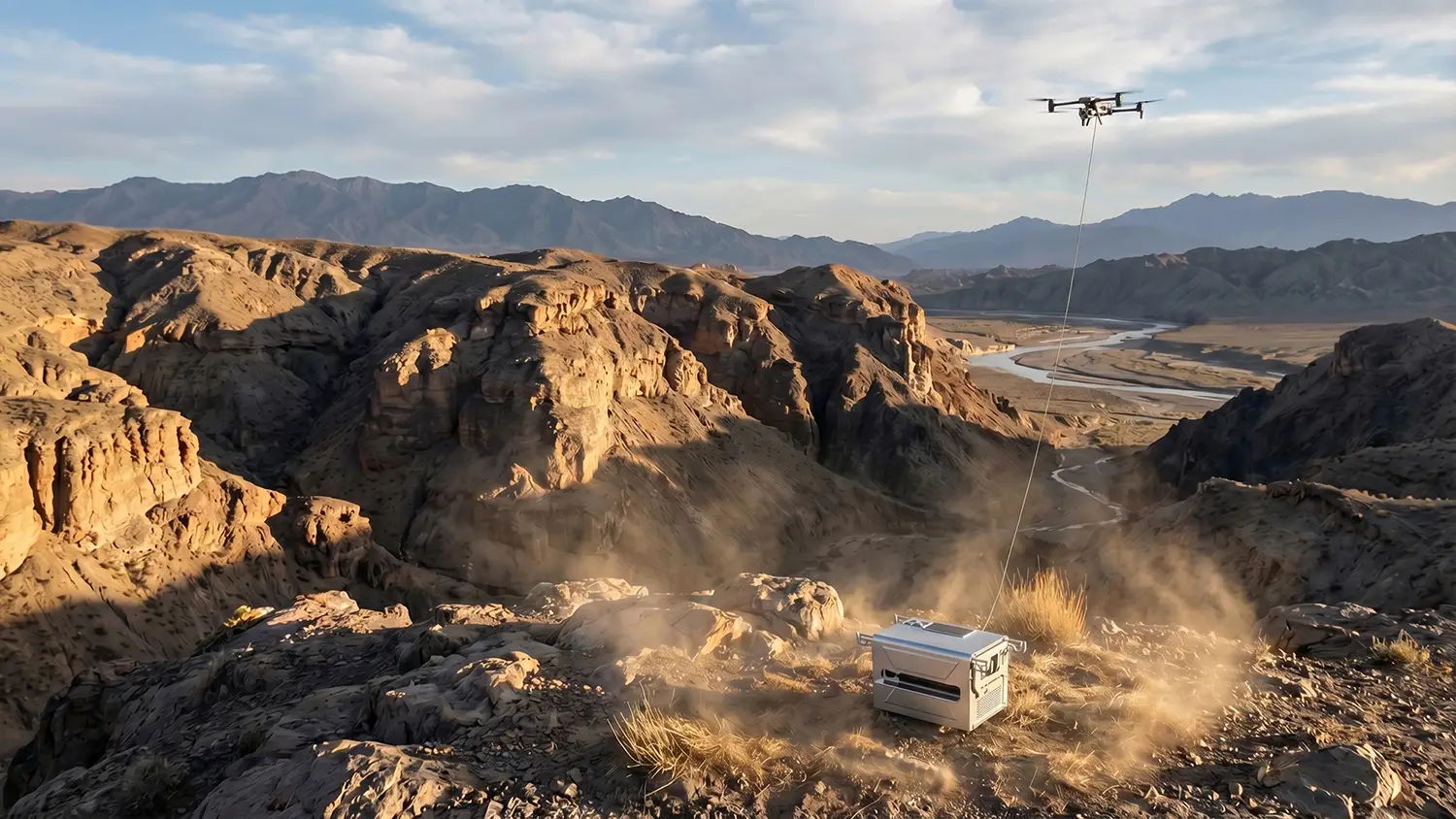
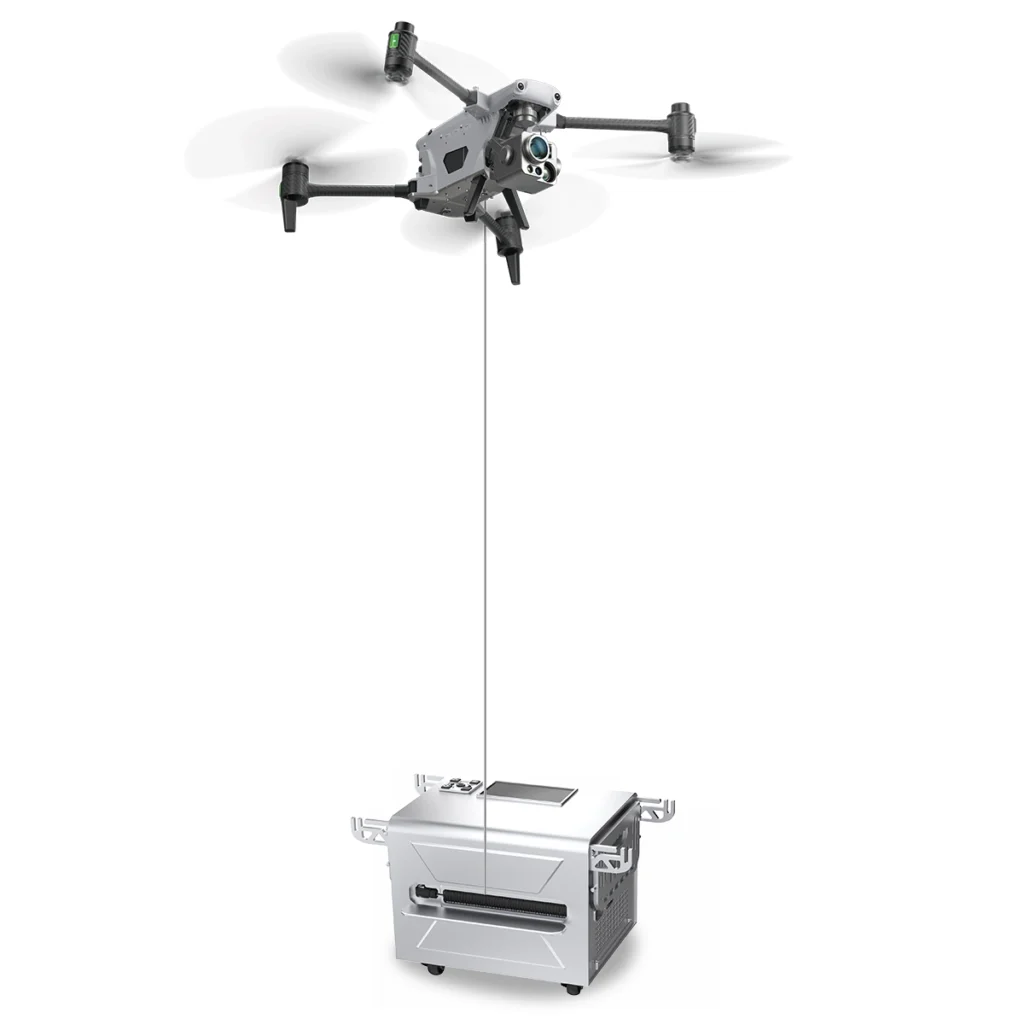
A tethered drone power solution supplies continuous power to the drone through a cable connected to a ground power source. This allows drones to stay in the air for extended periods.
Advantages:
- Unlimited flight time
- Stable power supply
- Ideal for long-duration missions
Limitations:
- Limited mobility due to cable
- Requires ground equipment setup
Example system:
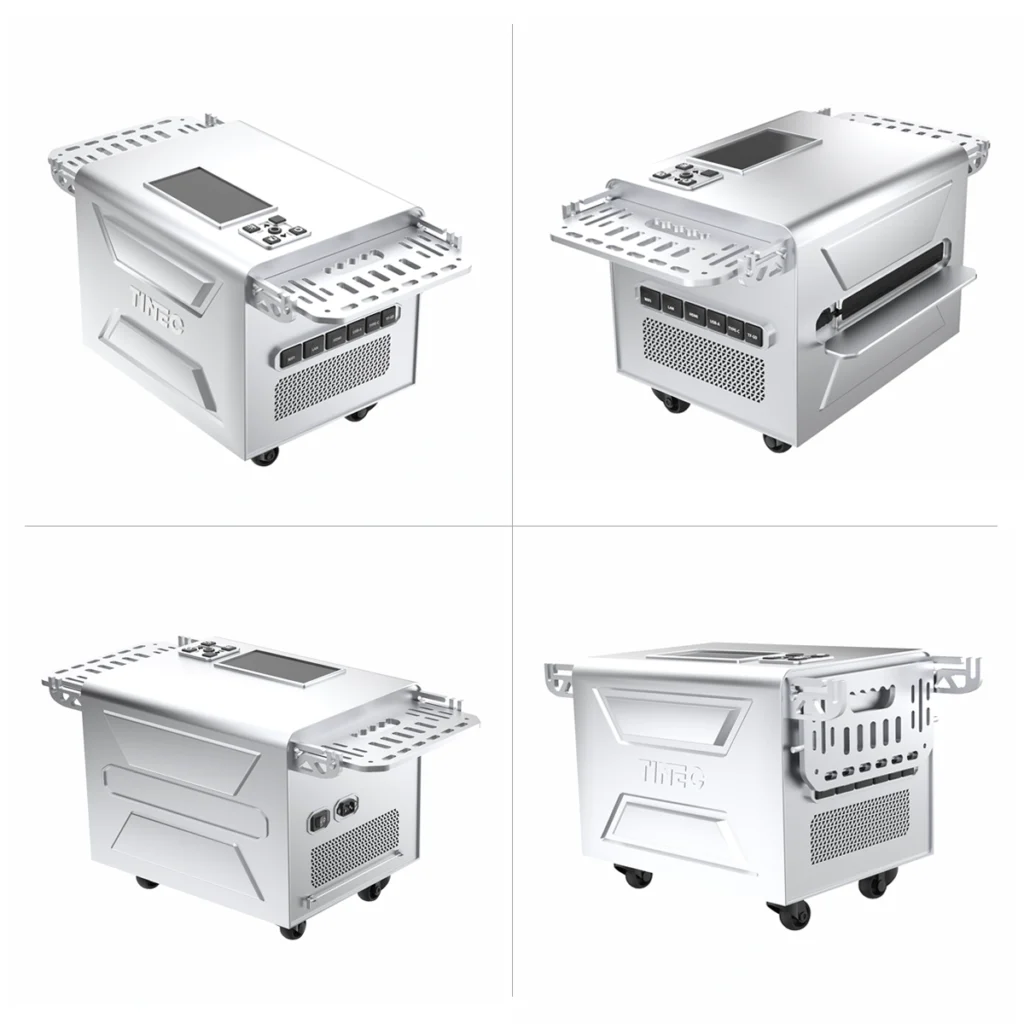
TBS100 UAV Battery Power System →
VineVolt M30 Tethered Power Supply System →
VineVolt Pro Alpha Tethered Power Supply System →
VineVolt MAX Tethered Power Supply System →
Why Choose a Tethered UAV energy system?
For industrial and professional applications, tethered UAV energy system are becoming increasingly popular.
They are especially useful in scenarios where drones need to remain airborne for hours without interruption. For example:
- Surveillance and security monitoring
- Emergency lighting systems
- Communication relay
- Large-scale event monitoring
A reliable tethered UAV energy system ensures continuous operation, reducing downtime and improving efficiency.
Tethered vs Battery UAV Power System: Key Differences
| Feature | Battery System | Tethered System |
|---|---|---|
| Flight Time | Limited | Unlimited |
| Mobility | High | Limited |
| Setup | Simple | Moderate |
| Stability | Medium | High |
| Use Case | Short missions | Long-duration operations |
This comparison shows that tethered UAV energy system are more suitable for industrial use, while battery systems are better for flexible operations.
Common Applications of UAV Power Systems
UAV energy systems are widely used across various industries:
- Inspection – Powering drones for infrastructure monitoring
- Security – Continuous aerial surveillance
- Lighting – Supporting high-power drone lighting systems
- Rescue missions – Providing stable aerial support
👉 Related systems:
👉 /product-category/uav-power-systems/
How to Choose the Right UAV Energy System
When selecting a UAV energy system, consider the following factors:
- Required flight duration
- Payload weight
- Operating environment
- Mobility requirements
For short and mobile tasks, battery systems are sufficient.
For long-duration missions, tethered UAV energy system are the better choice.
Why UAV Power Systems Are Critical for Modern Drone Operations
As drone applications continue to expand, UAV energy systems play an increasingly important role. A well-designed power system improves efficiency, reduces operational risks, and enables new use cases.
For industrial users, investing in the right UAV power system can significantly enhance performance and reliability.
Future Trends in UAV Power Systems
As drone technology continues to evolve, UAV energy systems are becoming more advanced and efficient. New innovations such as hybrid power solutions, improved tethered systems, and higher-capacity batteries are shaping the future of drone operations.
These developments will allow drones to operate longer, carry heavier payloads, and perform more complex missions across industries such as inspection, security, and emergency response.
Understanding these trends helps businesses choose the right technology and stay competitive in the rapidly growing UAV market.
Conclusion: Choosing the Best UAV Power System
Choosing the right UAV power system depends on your mission requirements. Battery systems offer flexibility, while tethered systems provide long endurance and stability.
For professional and industrial applications, tethered UAV power systems are often the preferred solution due to their reliability and continuous power supply.
For more details about drone technology, refer to:
https://en.wikipedia.org/wiki/Unmanned_aerial_vehicle
You can also explore drone power solutions in industry reports:
https://www.energy.gov/