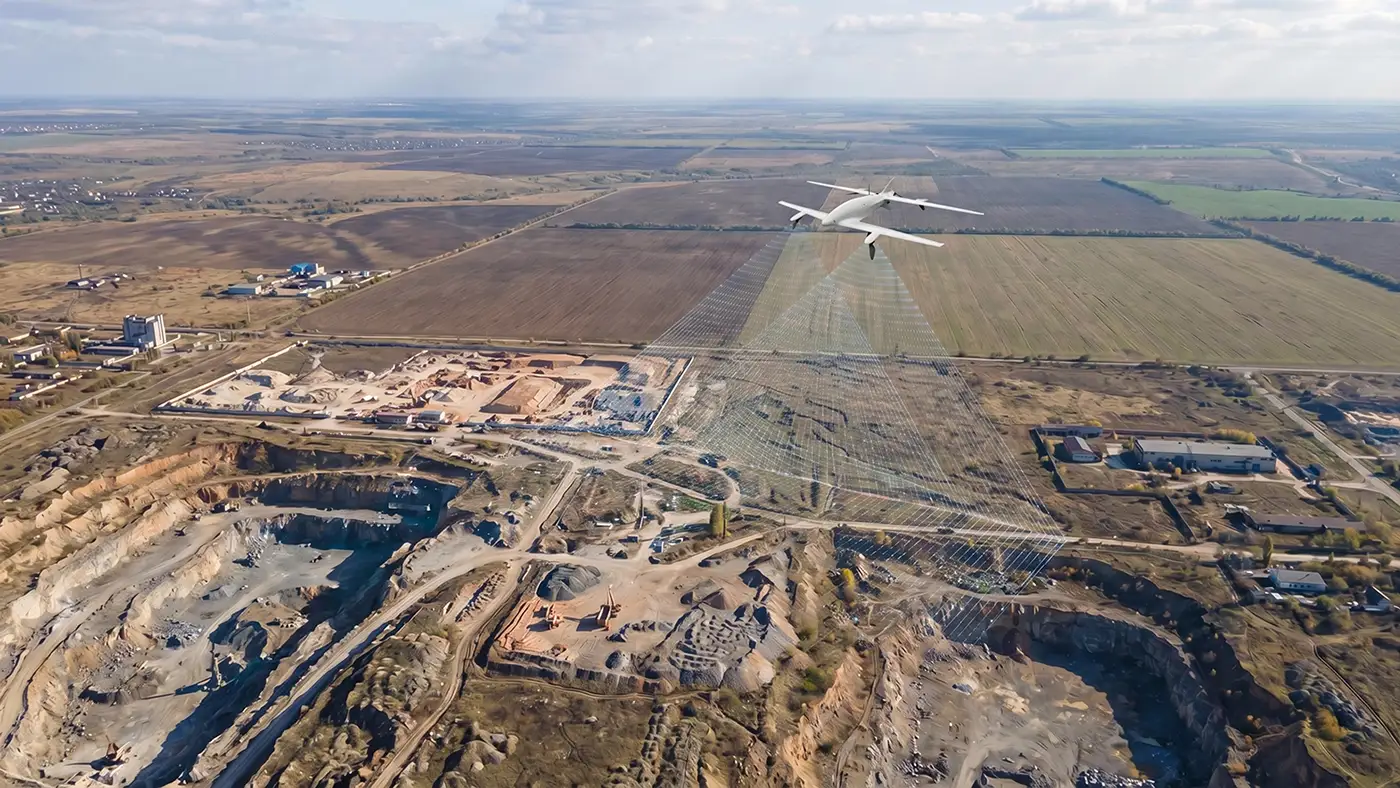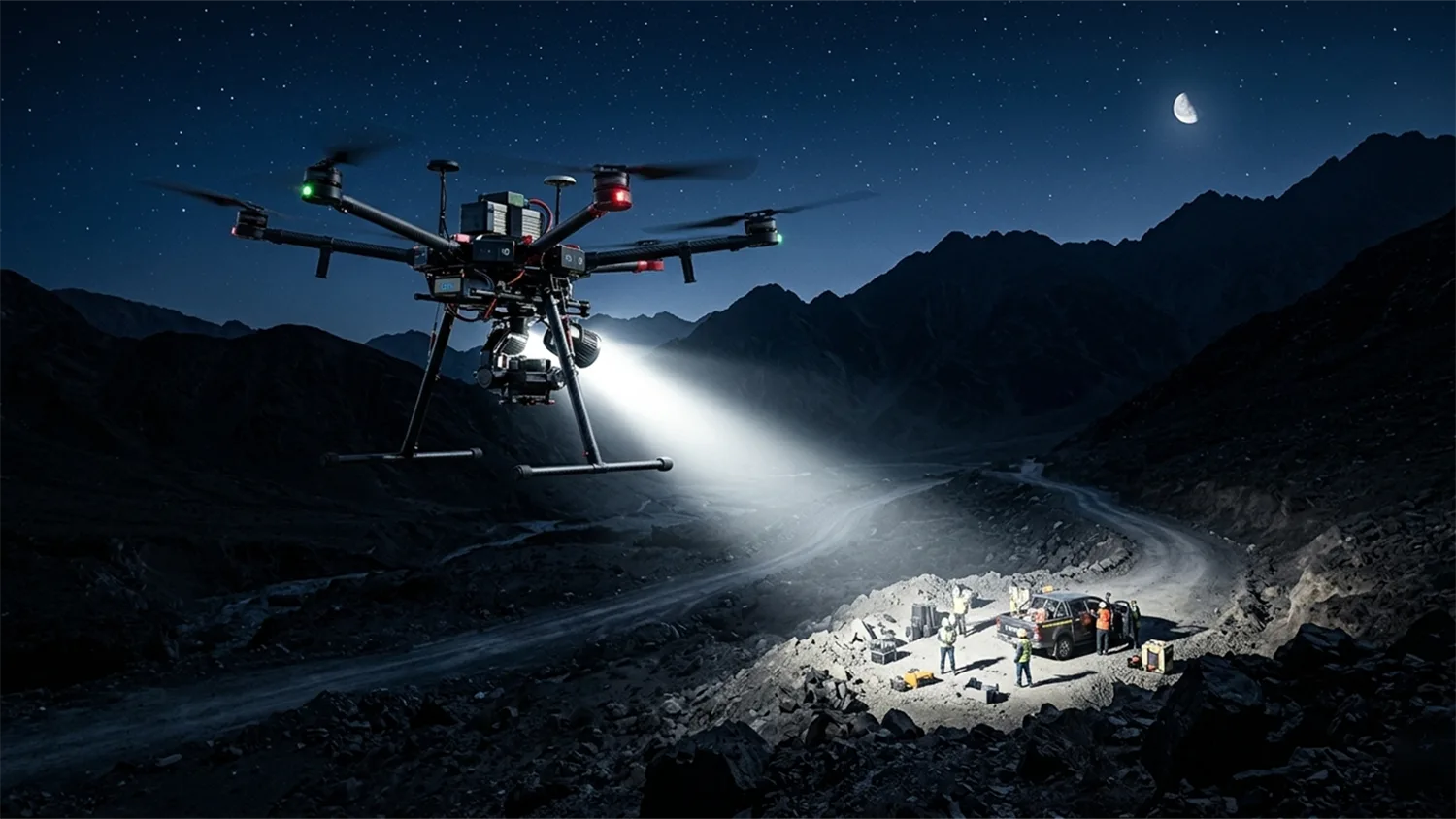
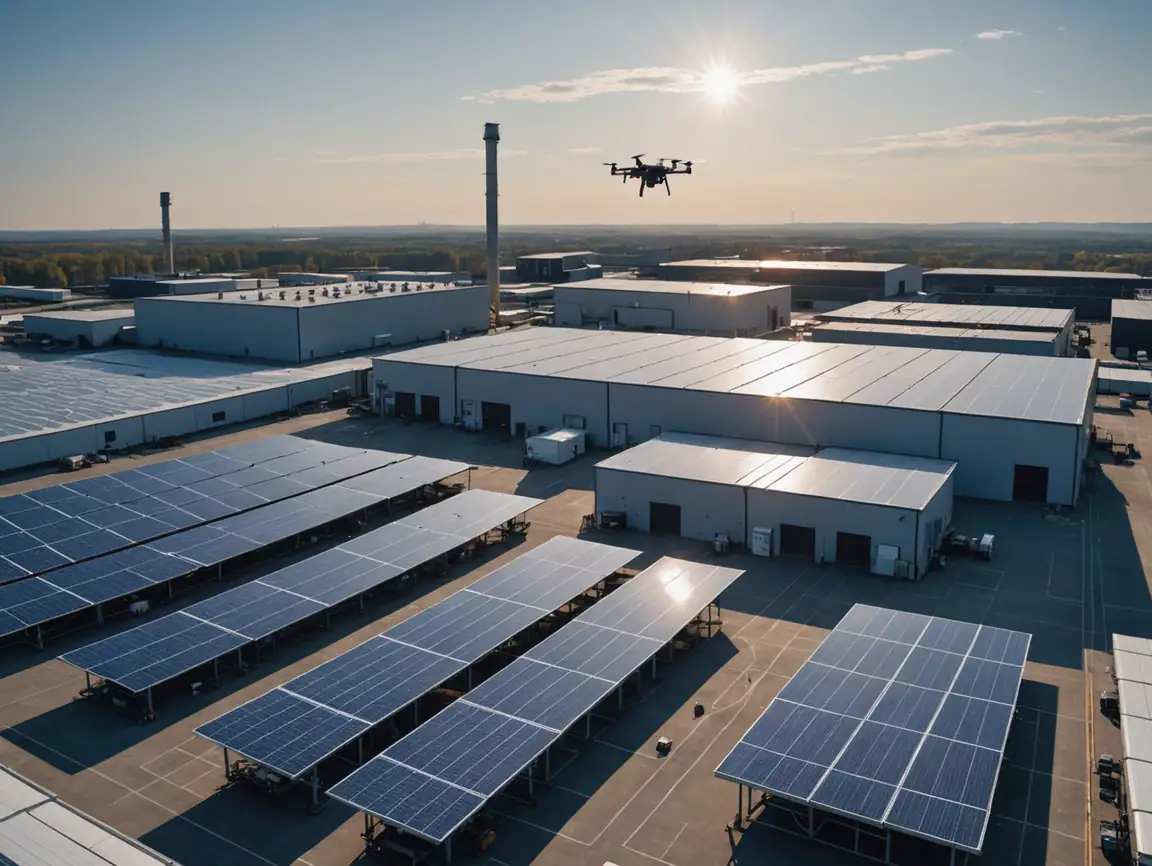
Solar panel drone inspection is becoming a powerful solution for improving efficiency and safety in solar farm maintenance.
With the rapid development of UAV technology, solar panel drone inspection has become a smarter and more efficient solution. This case study explores how drone systems are used in real-world solar inspection projects.
Project Background
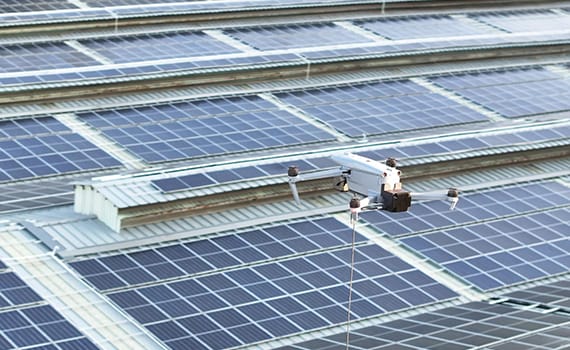
In this project, a large solar farm required routine inspection to identify damaged panels, overheating issues, and system inefficiencies. The inspection area covered a wide geographic range, making manual inspection impractical.
The goal was to implement a more efficient and scalable inspection method while ensuring safety and reliability.
UAV Solution for Solar Panel Inspection
To address these challenges, a UAV inspection solution was deployed. The drone was equipped with high-resolution imaging and inspection capabilities, allowing operators to monitor panel conditions from the air.
This approach enabled rapid data collection across the entire site, reducing the need for manual labor and improving inspection accuracy.
👉 Related UAV solution:
/product/tl2p-uav-payload-drop-system/
Key Advantages of Drone Inspection
Using drones for solar panel inspection offers several benefits:
- Faster inspection compared to manual methods
- Reduced labor costs and operational risks
- High-precision data collection
- Ability to access hard-to-reach areas
- Scalable solution for large solar farms
These advantages make UAV inspection an essential tool for modern solar energy management.
Solar panel drone inspection is becoming the standard solution for large-scale solar farm monitoring.
Challenges of Traditional Solar Panel Inspection
Before adopting drone technology, solar inspections faced several challenges:
- Manual inspection required significant time and labor
- Difficult access to large-scale solar farms
- Safety risks for workers
- Limited inspection efficiency
These limitations made it difficult to maintain large solar installations effectively.
How Drone Inspection Improves Solar Panel Monitoring
Drone-based inspection provides a faster and safer alternative. By using UAV systems, operators can quickly scan large solar farms and detect issues with higher accuracy.
Key advantages of solar panel drone inspection include:
- Faster inspection of large areas
- Reduced labor costs
- Improved safety
- High-resolution aerial data
Drone inspection systems are now widely used in renewable energy projects. You can learn more about UAV technology here: https://en.wikipedia.org/wiki/Unmanned_aerial_vehicle
Why Use a Drone Payload System?
Drone inspection alone is not enough in many scenarios. A payload drop system allows drones to perform additional tasks beyond imaging.
Key advantages include:
- Delivering tools or sensors to specific locations
- Remote placement of inspection devices
- Reducing manual intervention
- Improving operational efficiency
In this case, the payload system enabled targeted deployment during inspection missions.
Role of UAV Payload Systems in Inspection
In solar panel inspection projects, UAV payload systems play an important role by enabling drones to carry additional tools or devices.
For example:
- Payload drop systems can deliver small tools or equipment to technicians
- Warning systems can assist in safety management
- Power systems can extend flight time for large inspection areas
These systems enhance the functionality of drones beyond simple aerial imaging.
Recommended UAV Systems for Inspection Projects
To improve efficiency and performance, combining different UAV systems is essential.
TL2P UAV Payload Drop System
A compact solution for delivering tools or small equipment during inspection tasks.
https://dgtintec.com/product/tl2p-uav-payload-drop-system/
T4 UAV Thrower System
Suitable for heavier payload delivery and more demanding inspection environments.
https://dgtintec.com/product/t4-uav-thrower-system/
TBS100 UAV Battery Power System
Provides stable power support for extended drone operation, especially in large solar farms.
https://dgtintec.com/product/tbs100-uav-battery-power-system/
Real-World Application Scenario
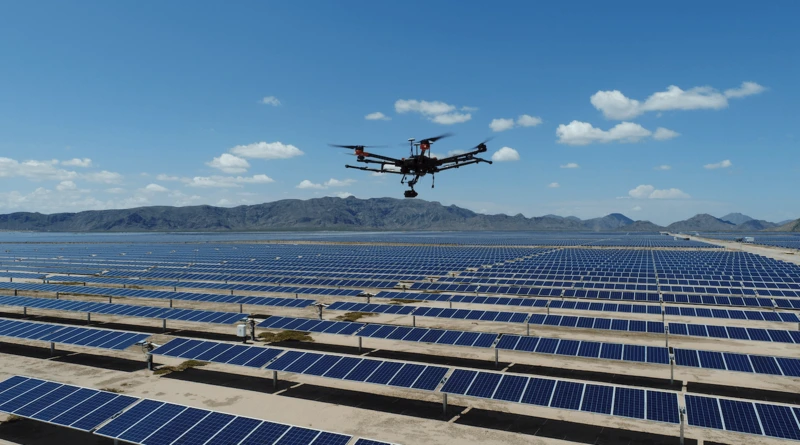
In a recent solar farm project, drone systems were used to inspect large photovoltaic installations. By combining aerial imaging with UAV payload systems, the inspection team significantly reduced inspection time while improving accuracy.
Drone-based inspection allowed operators to quickly identify damaged panels, wiring issues, and efficiency problems without interrupting system operation.
Recommended UAV Payload Systems
For similar inspection and delivery tasks, the following systems are widely used:
These systems support multi-hook release, stable transmission, and easy integration with industrial drones.
Future of Solar Panel Drone Inspection
As UAV technology continues to evolve, solar panel drone inspection will become more intelligent and automated. Future systems will integrate AI analysis, real-time monitoring, and advanced payload capabilities.
This will further improve efficiency and reduce operational costs in the renewable energy sector.
Why UAV Inspection Is the Future of Solar Maintenance
As solar energy continues to grow, UAV inspection is becoming a standard solution for maintenance and monitoring. It provides a reliable and cost-effective way to ensure system performance while reducing operational complexity.
👉 Learn more about UAV applications:
https://www.faa.gov/uas
Conclusion
Solar panel drone inspection is transforming how solar farms are maintained. By using UAV systems, companies can improve efficiency, enhance safety, and reduce costs.
If you are looking for professional UAV solutions for inspection projects, combining payload, power, and advanced drone systems is the key to success.
FAQ – Solar Panel Drone Inspection
Q1: Why use drones for solar panel inspection?
A: Drones provide faster, safer, and more accurate inspection compared to manual methods.
Q2: What problems can UAV inspection detect?
A: It can identify damaged panels, overheating issues, and performance inefficiencies.
Q3: Is drone inspection cost-effective?
A: Yes, it reduces labor costs and improves inspection efficiency.